
Sanded vs Unsanded Grout: What's the Difference?
You have probably walked across thousands of tile floors without giving the lines between them a second thought. That thin strip of material actually dictates the lifespan of your entire installation. Our team at Elite Tile and Grout Cleaning knows that understanding sanded vs unsanded grout is the dividing line between a lasting investment and a costly repair.
Sanded and unsanded grout are the two main types you will find in any tile installation.
The difference shapes how the grout looks, how it ages, and how restoration experts service it. We will break down the structural differences between these materials and explain the exact standards for high-end natural stone. You can then make an informed choice for your specific project.
What’s actually different: sanded vs unsanded grout
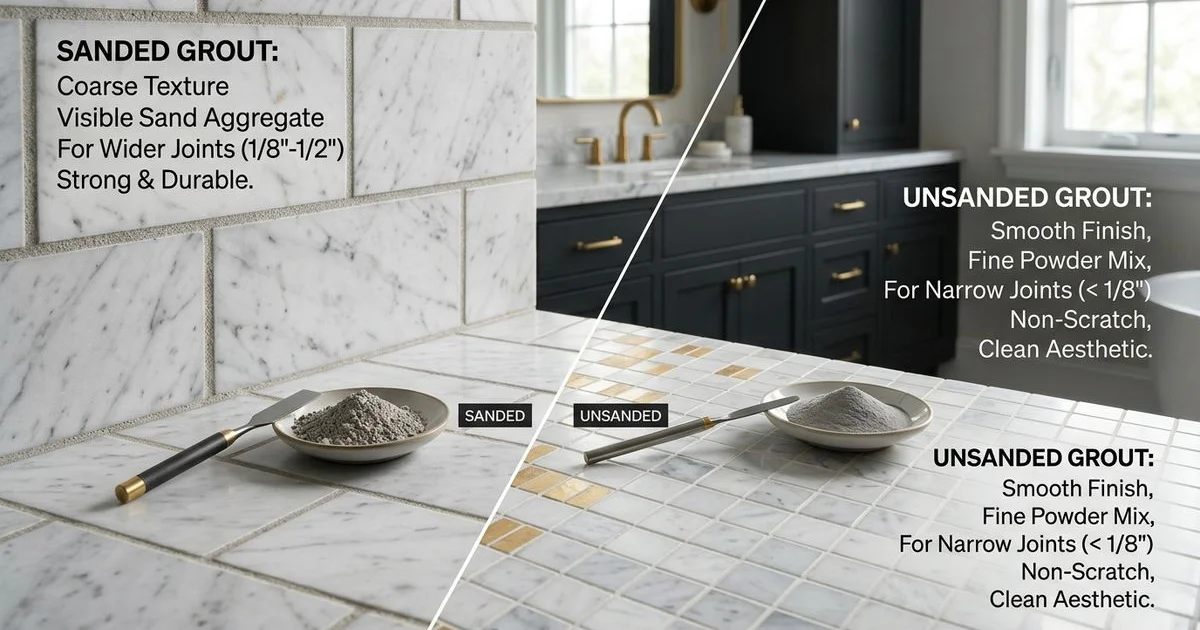
The physical composition of the mixture creates the main difference between these materials. Sanded grout contains fine silica sand as a structural filler to prevent shrinkage, while unsanded grout is simply cement and water with no aggregate.
This sand additive gives the finished surface a slightly textured, granular feel. Major manufacturers like Custom Building Products formulate sanded mixes specifically to lock heavy floor tiles firmly in place.
| Feature | Sanded Grout | Unsanded Grout |
|---|---|---|
| Primary Ingredient | Cement & Silica Sand | Cement Only |
| Texture | Granular & Rough | Smooth & Paste-like |
| Average Cost Per Bag | $18 - $25 | $20 - $30 |
| Shrinkage Risk | Very Low | High (in wide gaps) |
The lack of aggregate in the unsanded mixture produces a smoother, almost paste-like surface when it cures.
Our technicians prefer this smooth paste for delicate installations. The absence of grit prevents the mixture from scratching sensitive finishes during application.
Where each is used
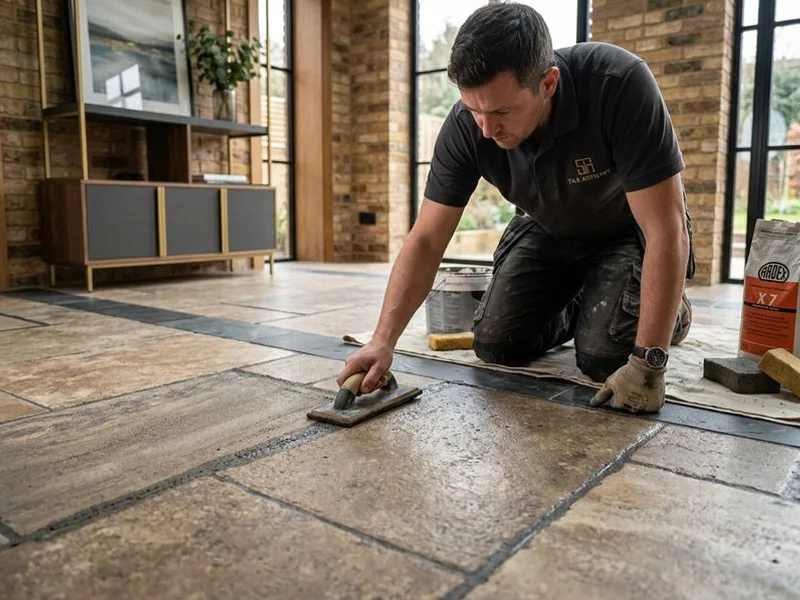
Joint width dictates the correct material choice for your installation. The Tile Council of North America (TCNA) sets strict standards for these measurements across the US.
Sizing Guidelines
You must match the aggregate size to the gap between your tiles to prevent structural failures.
- Wider than 1/8 inch: Use sanded grout. Without the sand, the mixture shrinks and cracks as it dries.
- Narrower than 1/8 inch: Use unsanded grout. Sand grains prevent the material from packing tightly into tiny joints.
- Up to 5/8 inch: Standard sanded formulas work well, though some extreme gaps require heavily sanded mixtures.
Material Compatibility
The surface material of your tile plays an equally important role in this decision.
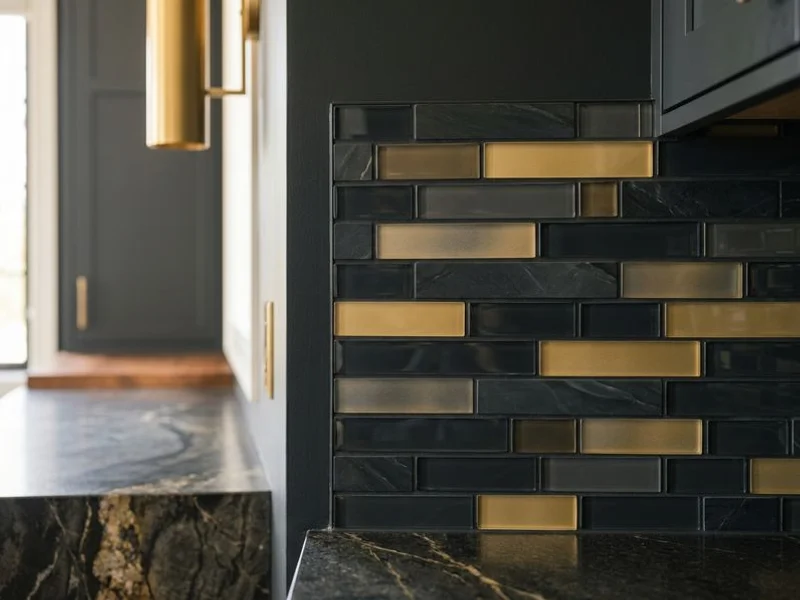
- Glass tile, polished stone, and delicate finishes: These typically require unsanded grout, because sand can scratch them during application. Natural stone like marble is cut to tight 1/16-inch tolerances specifically for this reason.
- Porcelain and ceramic floors: These highly durable materials easily handle the abrasion of sanded mixtures.
Common Las Vegas Applications
Our local climate presents unique challenges for tile installations. The extreme dry heat in Las Vegas causes rapid evaporation, which makes proper hydration critical to prevent cracking.
We see the following standard practices in local homes:
- Floor tile and most kitchen backsplashes: Installers usually choose sanded varieties.
- Bathroom walls and showers: These feature a mix of both depending on the tile.
- Glass mosaics: These are almost always unsanded.
Cleaning and sealing implications
Your maintenance routine depends heavily on the porosity of your installation. Sanded grout has more surface area and more pore depth, so it absorbs more dirt and needs more aggressive extraction.
Unsanded grout cleans more easily but stains visibly when it does pick up discoloration.
Long-Term Protection Strategies
Both materials are cementitious, which means they act like hard sponges if left unprotected. Liquid spills from common household items quickly penetrate these microscopic pores.
Our restoration professionals strongly advise applying a penetrating sealer to natural stone and grout lines after a 72-hour curing period. This protective barrier gives you time to wipe up spills before they become permanent stains.
Restoration and Color Upgrades
Both types benefit from sealing after cleaning, and both can be color-sealed when restoration is needed.
A premium color seal actually fills the pores of sanded joints to create a uniform surface. This process saves property owners significant money compared to completely regrouting a floor.
We apply specific treatments based on your floor’s unique chemistry in the sanded vs unsanded grout cleaning process.
See our tile and grout cleaning and coloring service for how we handle each type.
Our experts are ready to help you preserve these materials for the long haul.
Call our team today to schedule an evaluation and give your natural stone the exact care it requires.
Need this work done in Las Vegas?
Our certified technicians handle this professionally with full home protection and a free, no-obligation on-site estimate.
See tile grout cleaning coloringCommon questions
Which grout is used for wide tile joints? +
Sanded grout is used for wider joints because the sand resists shrinking and cracking. Unsanded is used for narrow joints.
Does grout type affect cleaning? +
Yes. Sanded and unsanded grout respond differently to cleaning and sealing, which we account for in our process.
Can both types be recolored? +
Yes. Both sanded and unsanded grout can be color-sealed, though the application is adjusted slightly to handle the different surface textures.
Related guides
Grout Color Sealing vs Clear Penetrating Sealing: Which Is Best?
Color seal vs clear penetrating seal for grout: what each does, when to use each, and how the look and durability differ.
How Often Should Grout Be Cleaned and Resealed?
Recommended intervals for professional grout cleaning and resealing by room and traffic. Signs your sealer has worn off.
How Professional Tile and Grout Cleaning Works
Step-by-step look at pro tile and grout cleaning: alkaline pretreatment, high-pressure extraction, and optional color sealing.
Restore it, don't replace it.
Schedule a free on-site estimate from certified Las Vegas stone and tile technicians.